
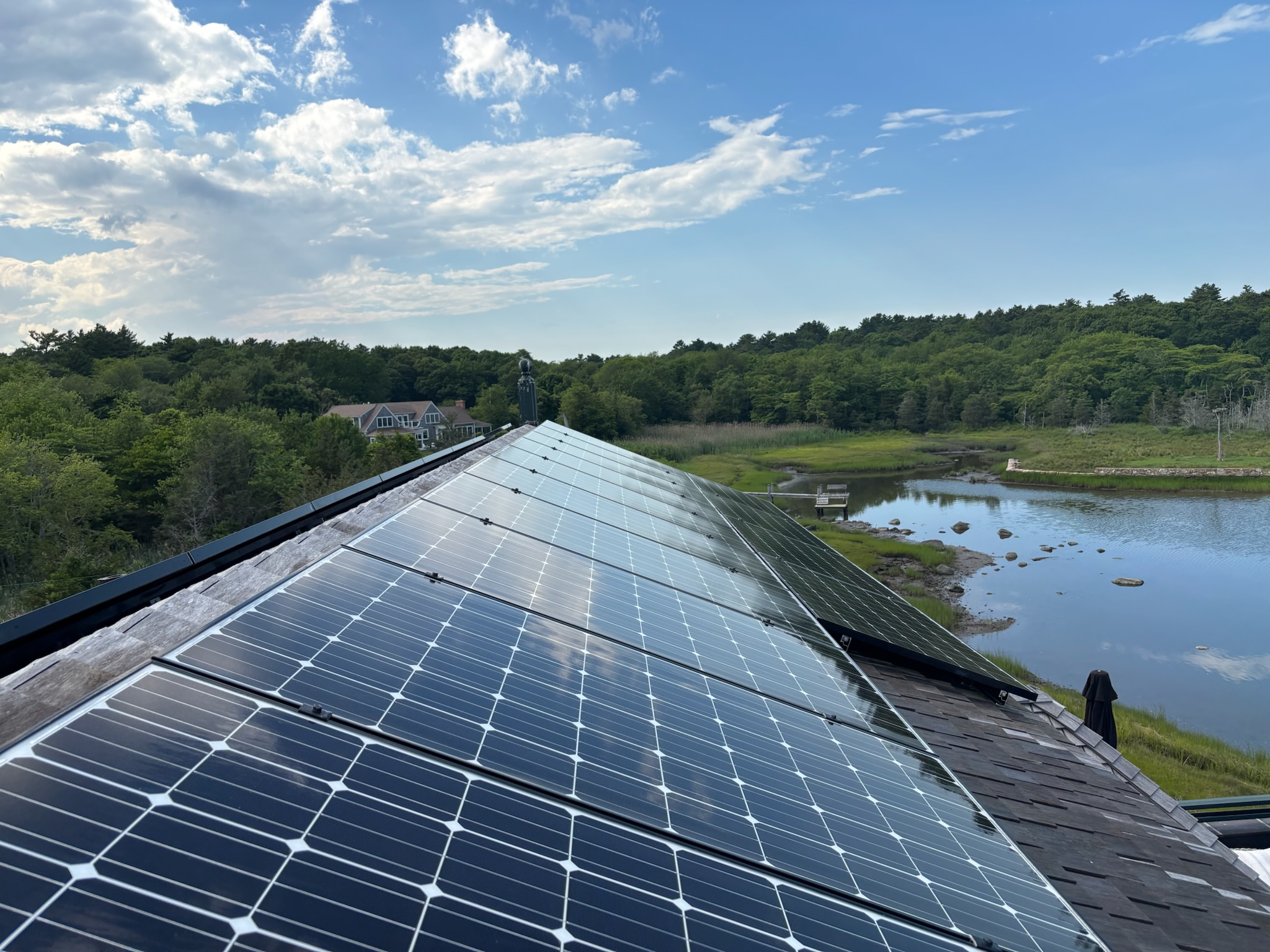
As spring arrives across New England, this is the time to inspect and maintain your solar panel system so it’s ready for peak production. A quick check now can help you avoid lost efficiency when sunlight is strongest. Here are some suggestions for proper solar panel maintenance in New England.
Start With a Simple Visual Check
You don’t need to climb on the roof to spot early issues. From the ground, look for buildup, streaking, or uneven patches on the panels. Pollen starts early in New England, and even a light coating can reduce output.
Watch for signs of damage such as cracks, shifting panels, or exposed wiring. If anything looks off, it’s worth a closer look before small problems turn into larger ones.
Look at the Roof and Mounting System
Your panels rely on a stable roof and secure mounting. Winter weather can loosen hardware or stress roofing materials.
Check for lifted shingles, areas impacted by ice dams, or anything unusual around the array. If something doesn’t look right, a professional inspection with Peak Solar Pro can confirm whether the system is still properly secured.
Review Your System’s Performance
Spring is a good time to compare your current production to past data. Most systems include monitoring tools that make this easy.
If output is lower than expected for the season, there’s usually a reason. Dirt buildup, shading, or minor faults are common causes. Catching this early helps you correct it before peak solar months.
Schedule a Professional Cleaning
Even when panels look clean, winter leaves behind a film that reduces efficiency. Rain alone doesn’t remove salt, dust, or organic residue.
A professional solar panel cleaning clears that buildup safely and restores performance. For New England homeowners, spring cleaning is one of the most effective ways to increase energy output without changing the system itself. Schedule a professional cleaning with Peak Solar Pro now before the summer rush.
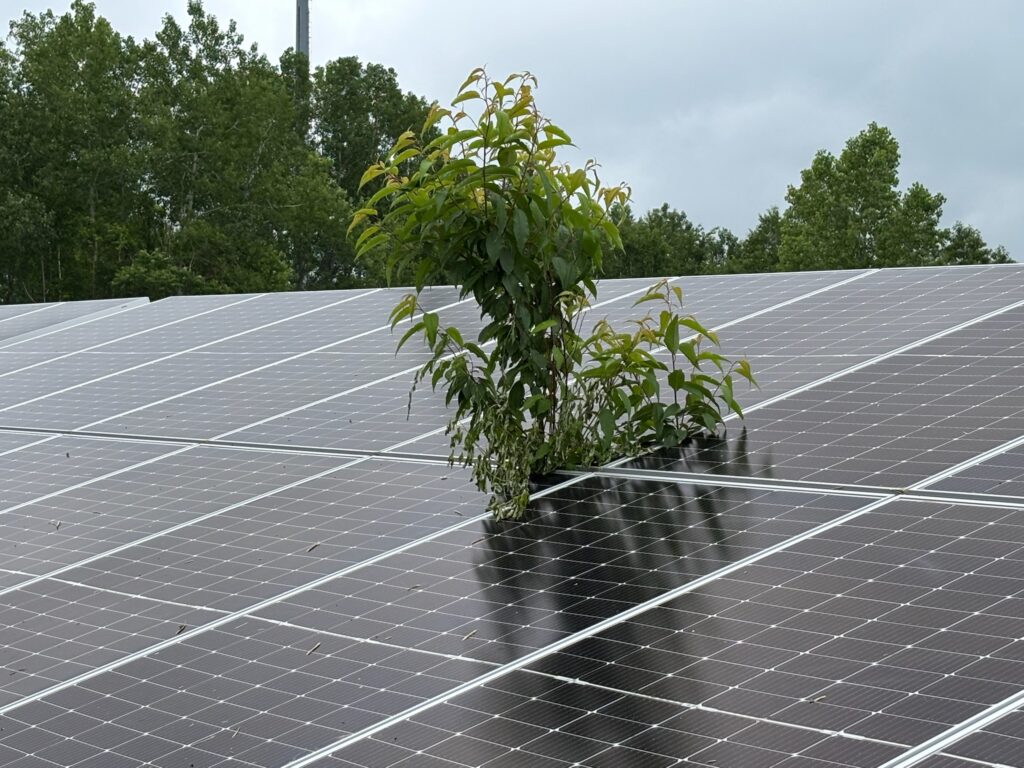
Get Ahead of Vegetation Growth
Spring growth can quickly lead to summer shading. Grass, shrubs, and nearby trees can interfere with sunlight, especially for ground-mounted systems.
Trim back anything that could block exposure as the season progresses. Keeping the area clear now prevents performance issues later.
Address Issues Before They Grow
Minor problems are easy to ignore when your system is still running. Reduced output, debris buildup, or small signs of wear can all worsen over time.
Spring is the right moment to bring everything back to baseline. A clean, properly functioning system will produce more when it matters most.
Why Spring Maintenance Matters
New England winters are tough on solar systems. By spring, your panels have been through months of stress from snow load, freeze-thaw cycles, and airborne debris.
A seasonal check, cleaning, and vegetation management plan helps protect your investment and improve performance heading into the brightest part of the year.

FAQ: Spring Solar Panel Maintenance
Do solar panels really need cleaning after winter?
Yes. Winter leaves behind residue that doesn’t fully wash away. Cleaning removes buildup that can reduce efficiency.
Can I clean my solar panels myself?
You can, but it’s risky. Improper tools or methods can damage the panels. Professional cleaning is safer and more effective.
How often should solar panels be inspected?
At least once a year. Spring is ideal in New England, with additional checks after major storms.
What kind of vegetation should I watch for?
Anything that can cast shade—grass, shrubs, or tree branches. Even partial shading can impact performance.
What are signs my system isn’t performing properly?
Lower energy production, inverter warnings, or visible buildup on the panels are all signs that maintenance may be needed.