
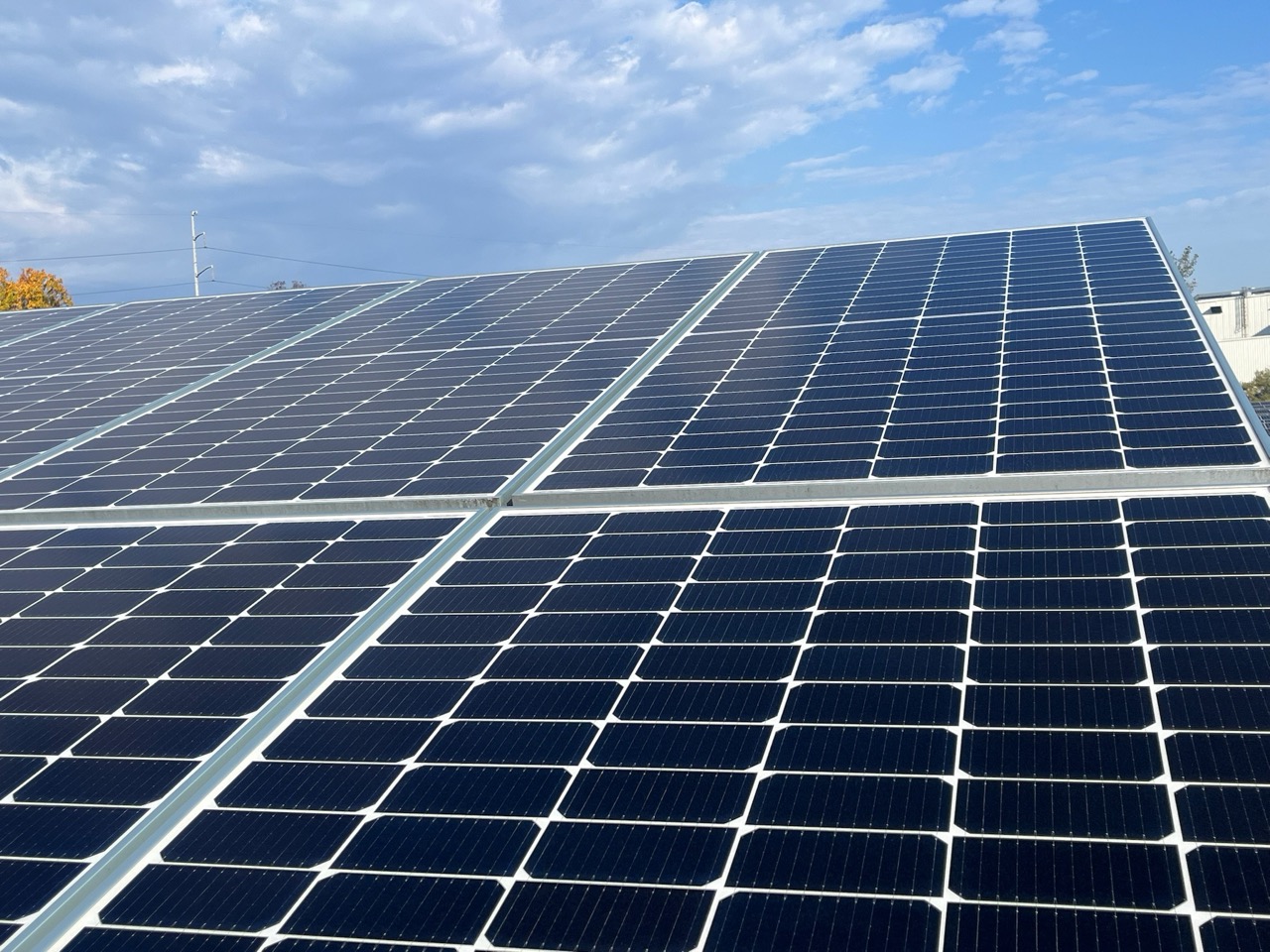
Do solar panels need to be cleaned after winter? If you have solar panels in New England, spring is the most important time to get them cleaned. Over the winter, your panels face all kinds of conditions that can reduce their efficacy. Snow, freeze-thaw cycles, road salt, soot from heating, and airborne dirt are just some of the conditions that can affect your solar panels.
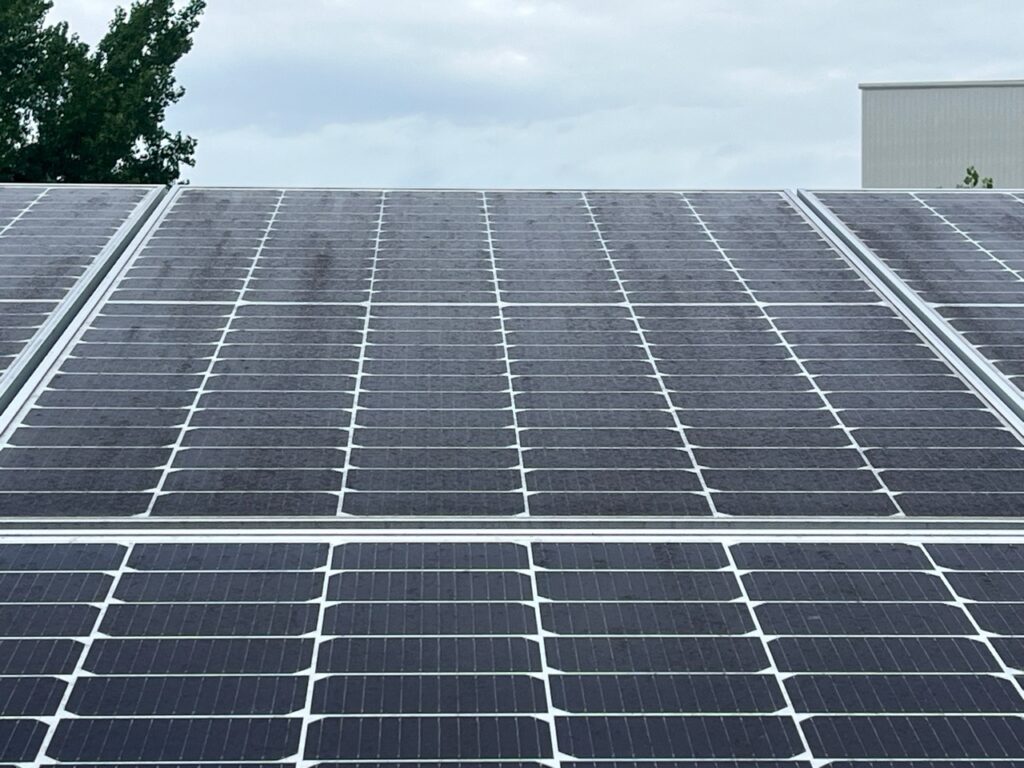
Let’s take just one example: snow. When the snow melts, it leaves behind debris that sticks to the glass and dries, forming a film that rain usually can’t wash away. While panels might look clean from the ground, a closer look often reveals a dull layer that blocks sunlight and lowers energy production. Just when your system should be working its best, it’s simply not ready. Getting those panels cleaned is a must before spring gets into full swing.
The Most Important Time of Year for Solar Production
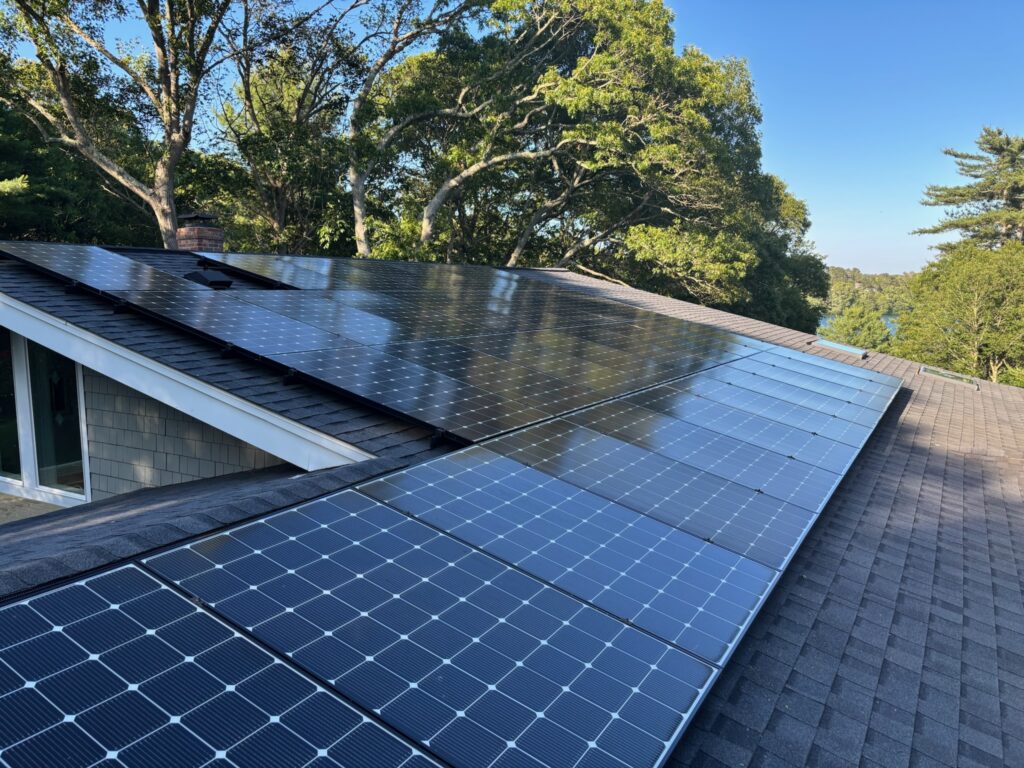
Late spring is one of the best times for solar energy production in the Northeast. The weather is cool, days are longer, and the sun’s angle improves quickly after March. Solar panels work better in mild temperatures than in the summer heat, so April through June is a key time to generate power and save on energy costs. If panels are still dirty from winter, the system may start the season underperforming and might not make up for the lost energy. This can mean higher electric bills for homeowners and budget issues for businesses.
Does Pollen Affect Solar Panel Performance?
Spring introduces another regional challenge: heavy tree pollen. Birch, oak, maple, and pine release enormous quantities that settle onto panel surfaces across suburban and rural areas alike. When pollen mixes with dew, coastal humidity, or light rain, it forms a sticky film that traps dust and pollution particles, gradually creating a thicker light-blocking layer. If winter residue is still present, pollen adheres even more aggressively, compounding the problem and accelerating performance loss. Cleaning early removes that base layer so pollen has less to cling to, preventing months of reduced output and making any later maintenance far easier.
Can Winter Weather Damage Solar Panels Without You Knowing?
Winter conditions can also cause subtle structural issues that aren’t visible from the ground. Sliding snow, shifting ice sheets, and repeated expansion and contraction place stress on mounting hardware, seals, frames, and wiring connections. Small problems rarely produce immediate warnings, but they can worsen over time or quietly reduce system performance.
A professional spring cleaning typically includes a visual inspection that can identify loose clamps, compromised sealant, or other concerns before they develop into costly repairs or safety risks. For commercial properties in particular, early detection helps prevent downtime, protects insurance standing, and preserves long-term asset value.
Does Cleaning Solar Panels Improve Financial Return?
Solar panels are a long-term investment meant to save you money for many years. If your panels aren’t working at full capacity, you have to buy more electricity from the grid. Even small drops in efficiency during the best months can add up to big missed savings over a season and can make it take longer to pay off your system. Getting your panels cleaned in spring is a small cost compared to the money you could lose if your system isn’t performing well. It helps make sure you get the return you expected from your investment.
Contact Peak Solar Pro now to reserve your spot on the spring schedule. Call us today at(617) 522-4046 or get started online here.
Frequently Asked Questions About Solar Panel Cleaning in New England
Do solar panels really need cleaning after winter?
Yes. Snowmelt commonly leaves salt, soot, and mineral residue that rainfall alone does not remove, especially in coastal regions or areas near busy roads.
How much energy loss can dirt cause?
Performance reductions vary, but seasonal losses of 10–25% are frequently observed when panels remain uncleaned through winter and pollen season.
Can property owners clean panels themselves?
DIY cleaning poses safety risks and often results in mineral spotting from tap water. Professional services use purified water systems and proper equipment to clean without damaging panel glass or coatings.
How often should panels be cleaned in New England?
Most systems benefit from at least one professional cleaning each spring. Properties near the ocean, farms, highways, construction sites, or heavy tree cover may require more frequent service.
Does cleaning help protect warranties?
Many manufacturers recommend periodic maintenance, and documented professional service can support warranty compliance and long-term system health.