
Now is a great time to think about solar panel cleaning. Summer is when most solar energy systems in New England work hardest. With longer days, higher sun angles, and more sunlight, conditions are perfect for making electricity. Still, many homeowners and business owners forget one thing that can quietly lower performance during these important months: dirty solar panels.
Many people believe rain cleans solar panels well enough. But in summer, pollen, dust, birds, and heat can build up and reduce your energy production just when your system could make the most power. That’s where the Peak Solar Pro can help. Read on to discover why solar panel cleaning in the summer is a must-do.
Remove New England’s Stubborn Post-Spring Pollen Buildup
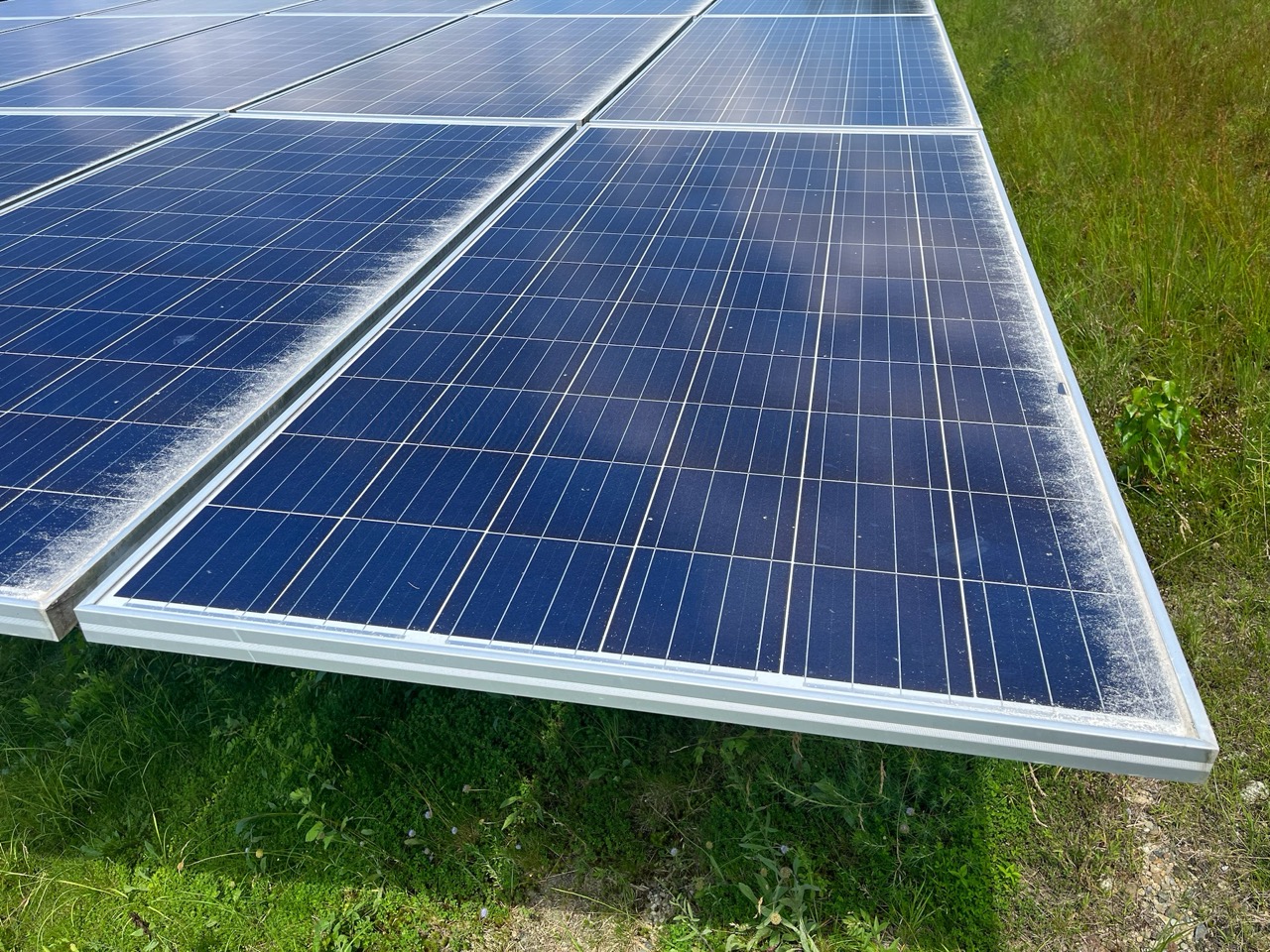
Every spring, New England gets a lot of pollen that covers cars, decks, windows, and solar panels in yellow dust. While rain can wash away some loose dirt, pollen often mixes with morning dew and humidity to form a sticky layer that clings to solar panel glass. As this builds up, it can harden into a tough layer that rain cannot fully remove. This reduces the light reaching the panels and lowers energy production. Research by the National Renewable Energy Laboratory (NREL) shows that pollen is a distinct type of dirt that affects solar panel performance and may require study beyond standard dust models. For people with trees nearby, this problem can last well into summer.
Maximize Energy Production During Peak Solar Season
For people with solar panels in New England, May through September are usually the most important months. This is when solar systems generate most of their yearly electricity and, for many homeowners, earn the highest net metering credits.
When panels are dirty, less sunlight reaches the cells, so you lose some energy production. Studies show energy losses are often between 10% and 20% under normal conditions and can be higher if dirt accumulates over time. NREL researchers have also found that the amount of buildup changes each year and can greatly affect how well your panels work.
When your system is making the most electricity all year, even small improvements can lead to real savings. That’s a great incentive to get regular solar panel cleaning during the summer, isn’t it?
Prevent Bird Droppings from Reducing System Performance
In summer, there are more birds around New England. Bird droppings are a big problem for solar panels because they can completely block sunlight in certain spots.
Unlike dust or pollen, bird droppings can fully block sunlight from reaching the cells below. Depending on your panel setup, even a small shaded spot can affect a larger part of your system. When it gets hot, these droppings can harden on the panels and become hard to clean without professional help.
NREL research examining environmental soiling has found that localized contamination can significantly affect solar panel performance and energy production.

Reduce the Risk of Hotspots and Long-Term Degradation
Solar panels work best when sunlight hits the entire panel evenly. If debris, bird droppings, or heavy dirt cover parts of a panel, the shaded cells act differently from the rest. They consume energy rather than produce it, creating hot spots. Over time, too many hot spots can cause accelerated wear, reduced efficiency, and potential long-term damage to the panel components.
NREL researchers say that knowing how to handle dirt and buildup is key to keeping your solar panels working well and lasting longer.
Offset Summer Heat-Related Efficiency Losses
Many solaMany solar owners are surprised to learn that panels work less well as it gets hotter. Most panels are tested at 25°C (77°F). When it gets warmer, their efficiency slowly goes down. Department of Energy says that high temperatures affect how well solar panels work, so it’s even more important to avoid extra losses from dirt, pollen, dust, and other buildup. Summer heat already lowers efficiency, and dirty panels just make it worse.
Improve the Return on Your Solar Investment
Whether you have solar panels at home or manage a large commercial system, your main goal is to get as much electricity as possible from your setup.
Having your solar panels professionally cleaned removes buildup from spring and early summer, helping your panels let in more light and produce more energy. For homeowners, this can mean bigger savings on utility bills and better net metering credits. For businesses, it helps you get the most from your investment.
Summer Is the Best Time to Recover Lost Production
By summer, many solar panels in New England have accumulated months’ worth of pollen, dust, bird droppings, and other debris. Rain usually is not enough to clean all of this off.
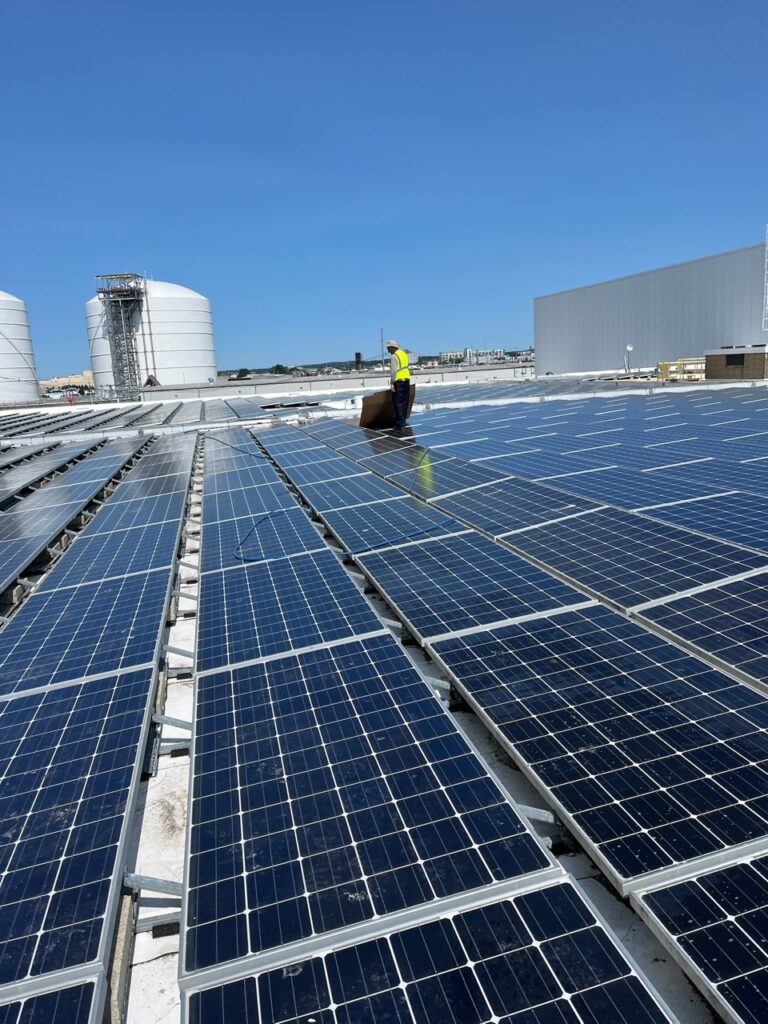
Professional cleaning makes your panels clean again, helps them absorb more sunlight, and lets your system work at its best during the busiest months. If you want to maximize energy output, protect your investment, and get the best value from your solar panels, summer is a great time to schedule a cleaning. Peak Solar Pro has the tools and the experience to keep your solar panels clean all summer long. Get a free estimate today by calling (617) 522-4046 or get started online here.
Frequently Asked Questions About Solar Panel Cleaning
Does rain clean solar panels?
Rain can wash away loose dust and dirt, but it usually doesn’t get rid of pollen films, bird droppings, tree sap, or other stuff that often builds up on solar panels in New England.
How much energy can dirty solar panels lose?
Studies show that dirty solar panels can lose 10% to 20% of their energy production under normal conditions, and even more if dirt builds up over time.
Summer is a great time to clean solar panels because it comes right after New England’s heavy pollen season and matches up with the months when solar panels make the most energy.
oppings damage solar panels?
Bird droppings can cause shaded spots that lower energy production and might lead to hotspots if not cleaned off.
How often should solar panels be cleaned in New England?
Most home solar systems do well with a professional cleaning once a year. If your property is near trees, farms, busy roads, the coast, or construction, you might need to clean your panels more often.