
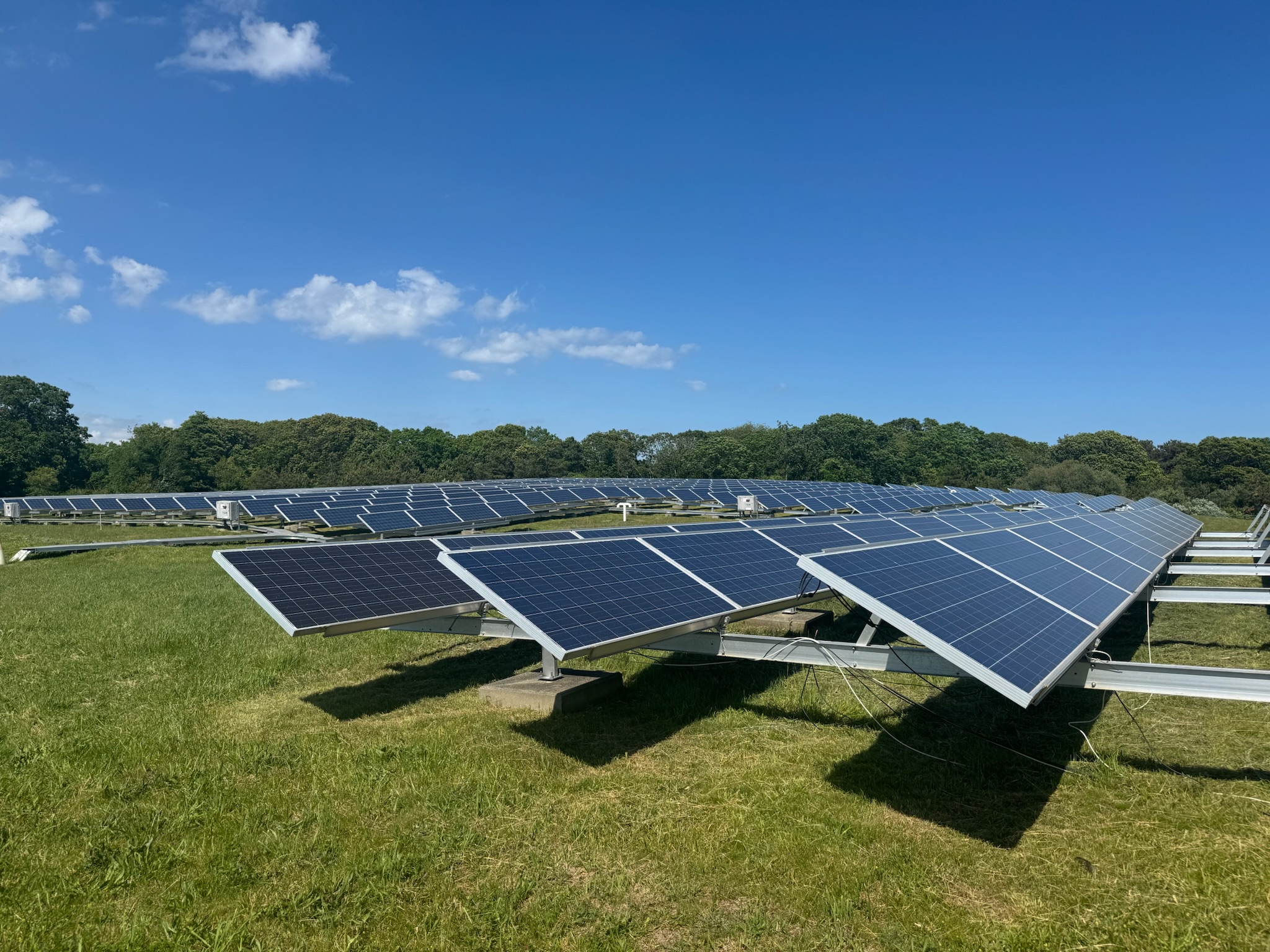
Summer is usually the best season for solar energy systems in New England. With longer days, stronger sunlight, and good weather, commercial and utility-scale solar sites can produce a lot of electricity.
But summer is also when many solar panel maintenance problems show up and can become expensive. Dirt, pollen, overgrown plants, drainage problems, and equipment stress can all hurt performance if not managed early.
A good summer maintenance plan helps asset managers, facility managers, and solar site owners protect energy production and make their systems last longer.
Pollen Buildup and Solar Panel Cleaning
Checking if solar panels are clean is an important summer task. Many owners think rain will keep panels clean, but that’s not always true.
In spring and early summer, New England gets a lot of pollen, which can leave a visible layer on solar panels. This buildup blocks sunlight and lowers energy production.
As summer goes on, dust, bird droppings, and other debris add to the pollen on panel surfaces.
Understanding Pollen Cycles Across New England
Pollen is a big issue in New England, and each state has its own pollen cycle depending on geography, elevation, and local plants. Tree pollen from oak, pine, maple, and birch species usually peaks during late spring and can remain a concern into early summer. Rhode Island experiences similar patterns, especially in coastal areas where pollen can combine with salt spray and airborne contaminants.
Connecticut often experiences significant pollen accumulation throughout May and June, particularly in areas with dense tree cover and suburban development.
Further north, New Hampshire, Vermont, and Maine tend to experience later pollen seasons due to cooler temperatures and longer winters. In these states, pollen production can remain elevated well into June and, in some cases, early July.
Large solar sites near forests or rural areas are especially at risk because a lot of pollen can quickly settle on panels. Even after the yellow pollen is gone, a thin layer can stay behind and hurt performance until the panels are cleaned.
When to Schedule Solar Panel Cleaning
Because of these pollen patterns, summer is a good time to decide if you need professional solar panel cleaning. Cleaning soon after peak pollen season gets rid of buildup before more dirt collects.
For commercial rooftops and ground-mounted solar arrays, professional cleaning services for solar equipment can safely clean panels without damaging coatings or electrical components.
Vegetation & Solar Panel Management During Peak Growing Season
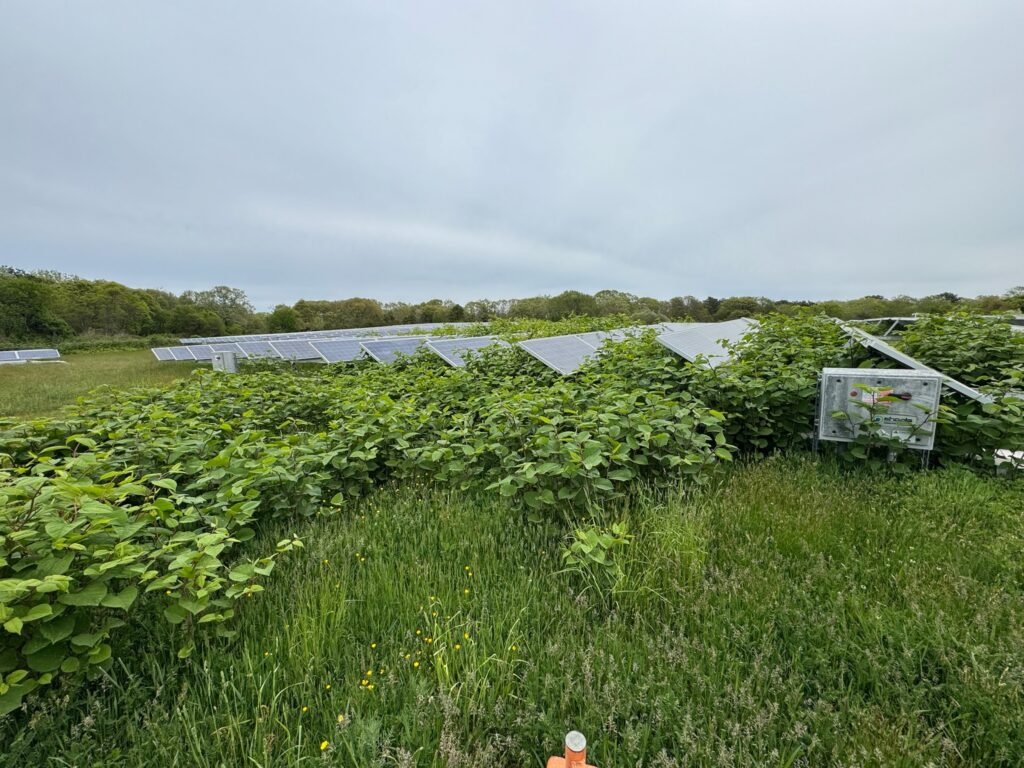
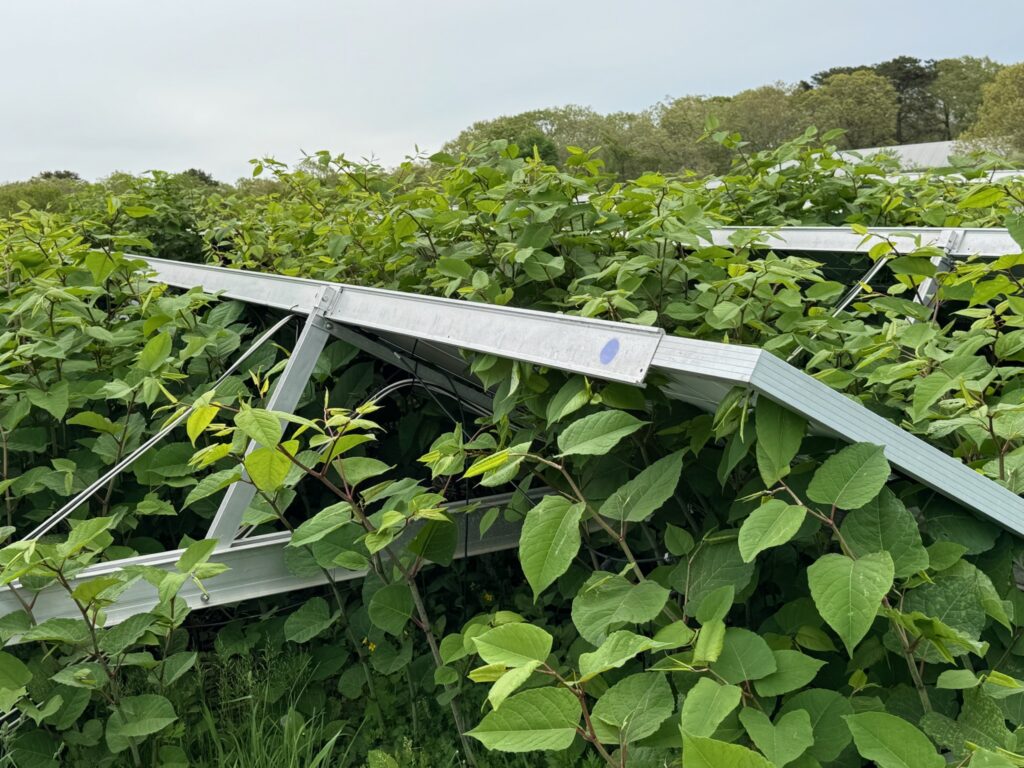
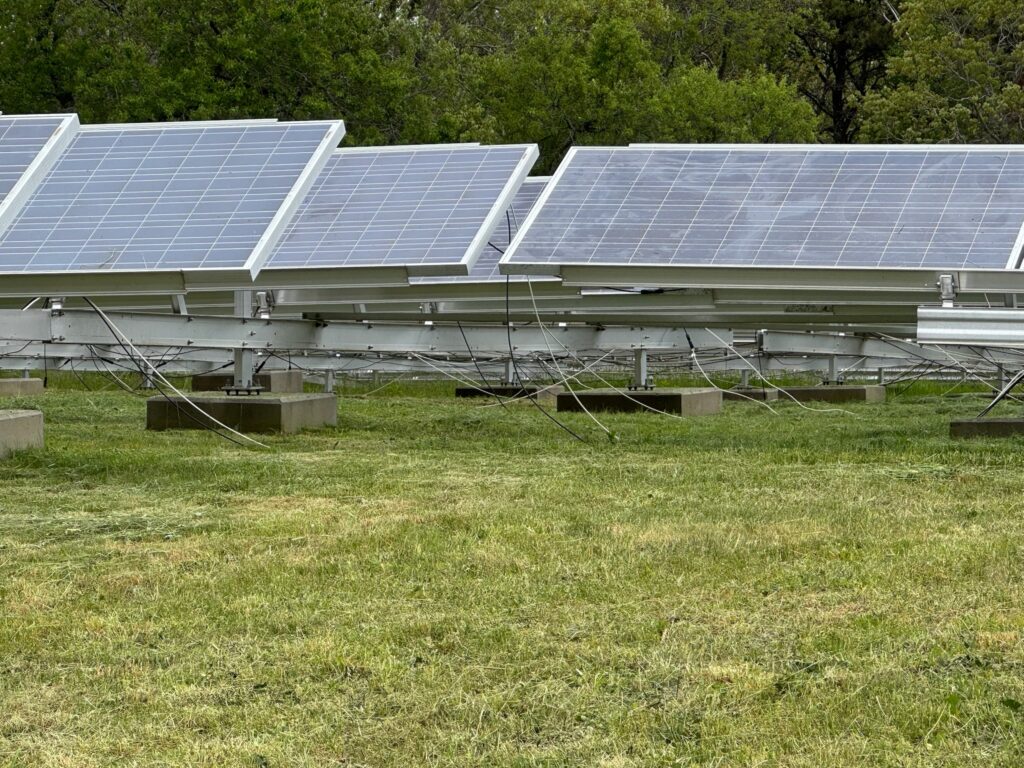
Managing plants is a key part of summer solar maintenance. Warm weather and rain in New England help grass, weeds, and other plants grow quickly around solar sites.
If you don’t manage plants, they can cause shade and lower energy production. Overgrown plants also make inspections harder, block access to equipment, and raise maintenance costs.
At large solar farms, managing plants is important for both operations and safety. Too much plant growth can block airflow around equipment and make inspections harder for technicians.
Sometimes, unmanaged plants can raise fire risks during hot, dry weather. Keeping plants at the right height helps keep the site easy to access and running smoothly all summer.
Inspecting Drainage and Site Conditions
Summer inspections should check site drainage closely. Heavy rain is common in New England, and poor drainage can lead to erosion, standing water, and damage to access roads.
Check ground-mounted solar systems for soil movement, washouts, or water pooling near equipment foundations. Fixing drainage problems early can help avoid costly repairs later.
Electrical Equipment and Performance Monitoring
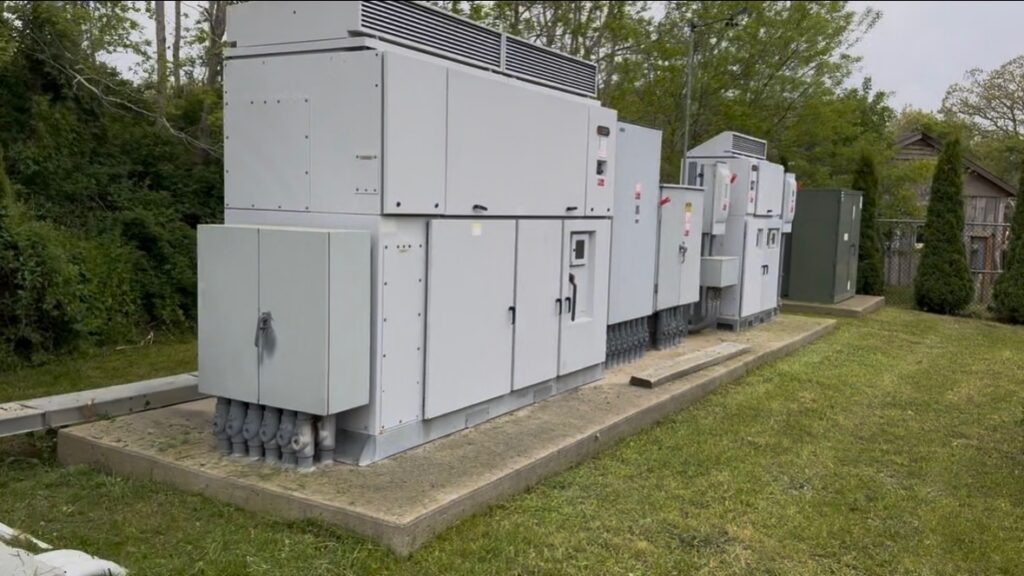
Checking electrical equipment is a key part of any maintenance plan. High temperatures can stress electrical parts. In summer, look for signs of wear, corrosion, loose connections, damaged wires, or overheating.
Early detection of these issues can prevent unanticipated downtime during peak. Finding these problems early can help prevent unexpected downtime during peak solar production. Asset managers should check system performance data regularly during the summer, shading, equipment malfunctions, or vegetation issues. Comparing current performance with historical data and expected levels provides insight into system health and supports proactive maintenance.
Wildlife and Bird Activity Around Solar Sites
Bird activity often goes up around solar sites in warmer months. Nesting materials, droppings, and debris can build up around panels and electrical equipment. These problems can cause dirt buildup, block airflow, or increase maintenance needs. Regular inspections help you find and fix these issues before they affect performance.
The Value of a Preventive Solar Panel Maintenance Strategy
The best solar asset managers see summer maintenance as an investment, not just a cost. By taking care of cleaning, plant growth, drainage, equipment checks, and performance monitoring during peak season, owners can maximize energy output and avoid costly repairs.
Being proactive helps solar systems run well all summer and stay ready for changes later in the year. Solar panel maintenance is a priority, so make sure to pick the right team. Peak Solar Pro works all over New England, helping homeowners and businesses to keep their solar panel systems clean and ready to produce.
Frequently Asked Questions
How often should solar panels be cleaned in New England?
The ideal cleaning frequency depends on the system. How often you should clean panels depends on where the system is, local conditions, and how much dirt builds up. Many commercial and utility-scale systems do well with inspections after peak pollen season and extra cleaning if you see a lot of dirt. Highways or coastal environments may require more frequent cleaning.
Does pollen really affect solar panel performance?
Yes. Pollen can build up on solar panels and block sunlight from reaching the cells. The effect depends on how much pollen there is, but heavy buildup with dust and other dirt can lower energy production.
When is the best time to clean solar panels in Massachusetts, Rhode Island, and Connecticut?
For many systems in southern New England, late spring and early summer are good times to check if cleaning is needed, since most tree pollen has already fallen. Cleaning after peak pollen season removes buildup before more dirt collects.
Do New Hampshire, Vermont, and Maine have different pollen seasons?
Yes. Northern New England has later pollen seasons because of cooler weather and longer winters. Solar systems in New Hampshire, Vermont, and Maine can keep getting a lot of pollen into June and early July, so summer inspections are especially important.
Why is vegetation management important for solar farms?
Managing plants helps prevent shade, keeps the site easily accessible, supports safety, and streamlines operations. Well-kept plants make it easier for technicians to inspect equipment and keep the system running smoothly.
Can rain clean solar panels naturally?
Rain can wash away some loose dust and dirt, but it often doesn’t get rid of pollen, bird droppings, or tough stains. Sometimes, rain even leaves behind spots that still affect how panels work.
What should asset managers inspect during the summer?
Asset managers should check panel cleanliness, plant growth, drainage, electrical equipment, site access, performance data, and signs of wildlife. Regular inspections help catch small problems before they turn into bigger ones.
☀️ Summer Solar Maintenance Checklist
Recommended Timing: Late Spring through Early Summer (May–July)